Keep the heat low. High heat can cook the eggs too quickly and make them dry and rubbery.
Don’t overcook them. Scrambled eggs continue cooking after leaving the pan. Remove them while they still look slightly underdone.
Use a nonstick skillet. It makes it easier to move the eggs gently without sticking.
Don’t stop stirring completely. Gentle, regular movement helps create soft and creamy curds.
Should You Add Milk or Cream?
You can, but it’s not essential.
Eggs can become beautifully creamy simply through gentle cooking and careful timing. A small amount of cream or milk can add richness and slightly loosen the texture, but adding too much liquid may make the eggs watery.
Butter is also a simple way to add richness without changing the egg mixture significantly.
What to Serve With Creamy Scrambled Eggs
These eggs pair well with:
- Toast or sourdough bread
- Avocado
- Fresh tomatoes
- Sautéed mushrooms
- Crispy potatoes
- Smoked salmon
- Fresh herbs
- Roasted vegetables
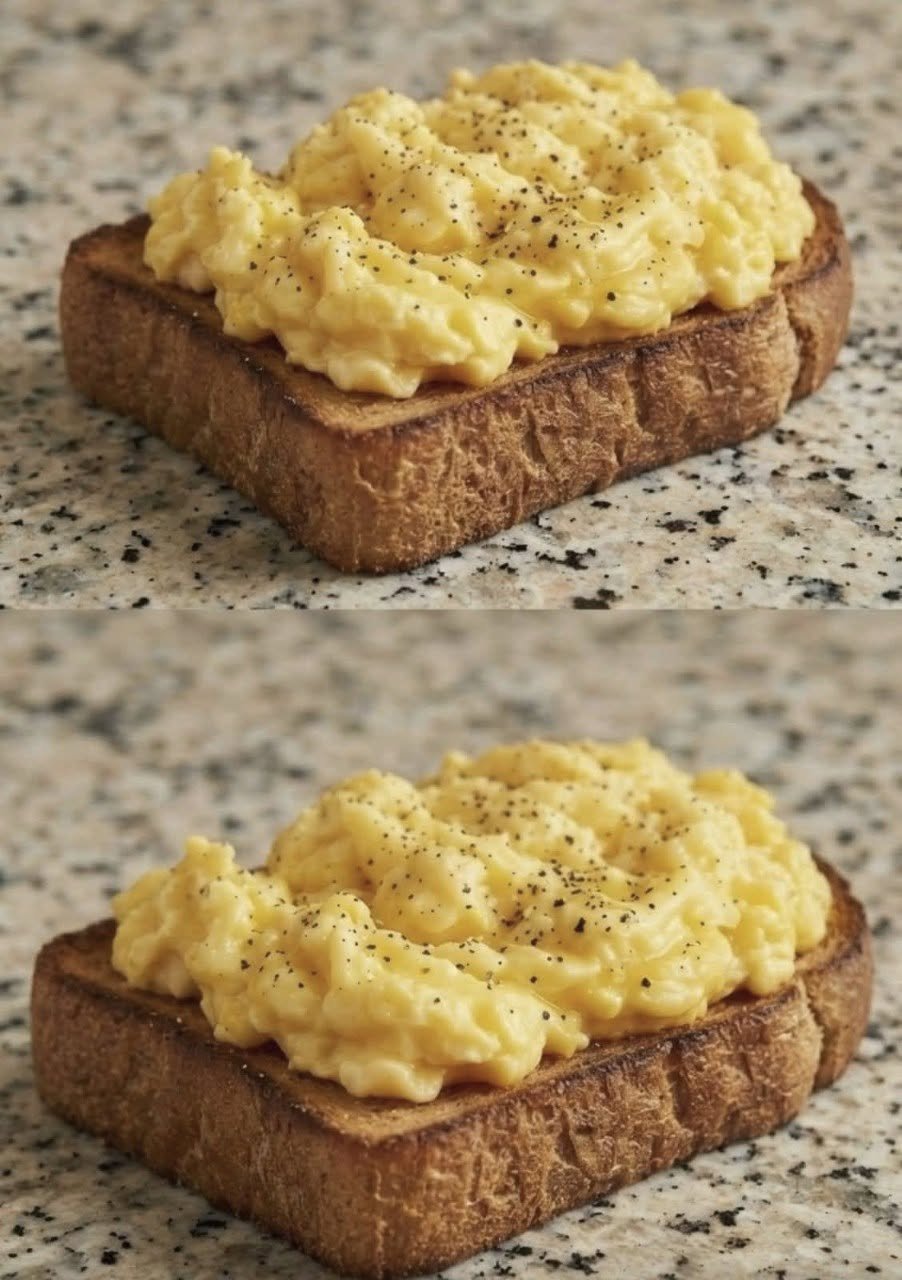
For a quick breakfast, serve them over warm toast with a little black pepper and fresh chives.
Common Mistakes to Avoid
One of the most common mistakes is using excessive heat. While it may seem like a faster method, high heat can cause the eggs to become firm before you have time to develop a creamy texture.
Another mistake is leaving the eggs in the pan after they’re fully cooked. The hot skillet continues to transfer heat, so timing matters.
Finally, avoid stirring too aggressively. Gentle folding gives you more control over the size and texture of the curds.
Final Thoughts
Creamy scrambled eggs don’t require many ingredients or special equipment. With fresh eggs, butter, gentle heat, and a little patience, you can make a soft and satisfying breakfast in just a few minutes.
The key is simple: cook them slowly and take them off the heat while they’re still soft and glossy.