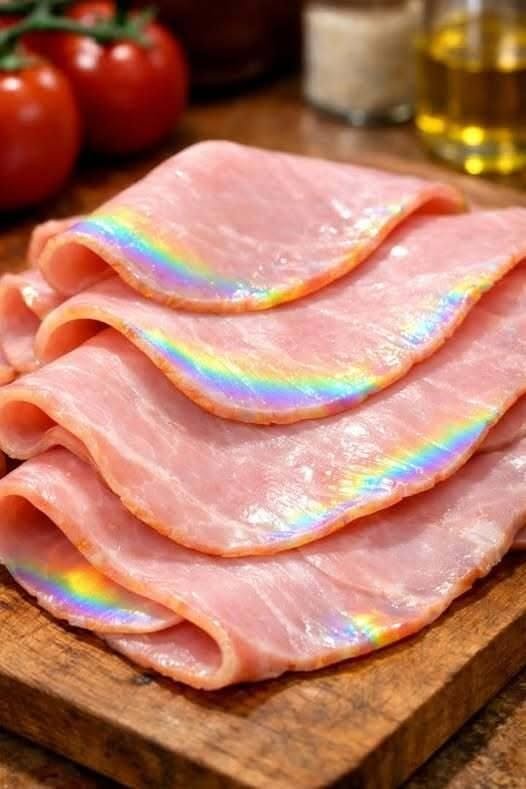
Correct storage helps preserve the quality of sliced ham, turkey, and other luncheon meats.
1. Keep It Refrigerated
Keep the refrigerator at 40°F (4°C) or below. Refrigeration slows bacterial growth and helps keep perishable foods safe.
2. Seal Opened Packages
After opening a package, transfer the meat to an airtight container or wrap it securely according to the package instructions. This helps protect it from contamination, drying out, and absorbing odors from other foods.
3. Follow Recommended Storage Times
As a general USDA guideline, opened packages of luncheon meats can be refrigerated for 3–5 days at 40°F (4°C) or below. Always follow the product’s specific instructions, especially if they recommend a shorter period.
See the USDA’s guidance on <Link url=”https://www.fsis.usda.gov/food-safety/safe-food-handling-and-preparation/food-safety-basics/refrigeration” title=”refrigeration and safe storage times”/>.
4. Avoid Leaving Meat at Room Temperature
Perishable foods should generally not remain at room temperature for more than two hours, or one hour when the temperature is above 90°F (32°C).
If deli meat has been left out longer than recommended, discard it rather than relying on its appearance or smell.
5. Prevent Cross-Contamination
Use clean hands, utensils, and surfaces when handling deli meat. Keep it separate from raw meat and other foods that could contaminate it.
Can You Eat Rainbow-Colored Turkey or Roast Beef?
The same iridescent effect can occur on sliced turkey, cooked beef, ham, and other processed meats. The color itself is not necessarily a problem.
What matters is the complete picture: the product’s storage history, packaging, expiration guidance, and any additional signs of spoilage.
For people who are pregnant, older adults, and those with weakened immune systems, deli meats require extra care because of the risk of foodborne illness, including Listeria. Follow current food-safety guidance for these groups and choose appropriately handled products.
Frequently Asked Questions
Does rainbow-colored meat mean it contains chemicals?
Not necessarily. Iridescence can occur naturally because of the way light interacts with meat’s surface and pigments. Rainbow colors alone do not prove that chemicals have been added.
Is green-looking ham always spoiled?
No. A rainbow-like green reflection may be iridescence, but a persistent unusual green discoloration accompanied by slime, a bad smell, or other warning signs should not be ignored.
Can cooking make spoiled deli meat safe?
No. Do not rely on cooking to rescue meat that has spoiled or been stored improperly. Some food-safety hazards may remain even after heating.
Should I throw away meat if I see rainbow colors?
Not automatically. If the effect is simply iridescence and the meat has been handled and stored correctly, the colors alone do not mean it is unsafe. If other warning signs are present or storage history is uncertain, discard it.
Final Thoughts
Rainbow-colored deli meat can look surprising, but the effect is often caused by iridescence, a natural interaction between light and the meat’s surface.
The key is not to judge food safety by color alone. Check the storage history, package condition, and other signs of spoilage, and remember that unsafe food does not always look or smell bad.
When it comes to deli meat, proper refrigeration and careful handling are much more reliable than appearance alone.
For Complete Cooking STEPS Please Head On Over To Next Page Or Open button (>)